
Guinea
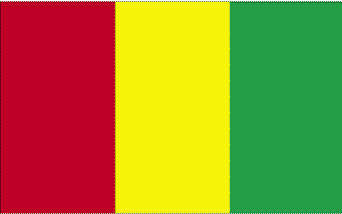
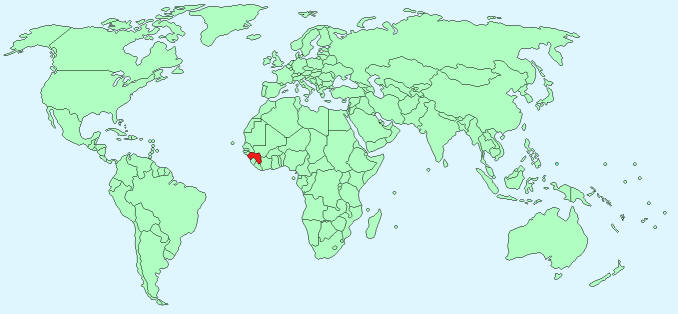
Continent – Africa
Region – Western Africa
Size – 245,857km²
Geography – generally flat coastal plain, hilly to mountainous interior
Language – French, regional dialects
Religion – Muslim 85%, Christian 8%, indigenous beliefs 7%
Monetary Unit -Guinea franc
Natural Resources – bauxite, iron ore, diamonds, gold, uranium, hydropower, fish, salt
Agriculture – rice, coffee, pineapples, palm kernels, cassava (tapioca), bananas, sweet potatoes; cattle, sheep, goats; timber
Industry – bauxite, gold, diamonds, iron; alumina refining; light manufacturing, and agricultural processing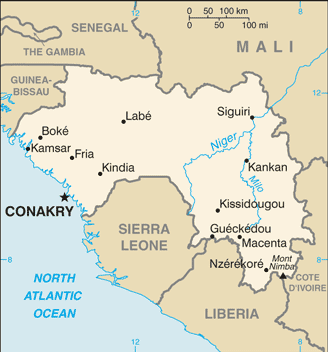
Neighbouring Countries – Sierra Leone, Guinea-Bissau, Senegal, Mali, cote d’Ivoire
Population – 11,474,383 (2014 estimate)
Population Growth Rate – 2.63%
Average Life Expectancy – 59.6
Capital City – Conakry (1,667,864)
Highest Mountain – Mont Nimba (1,752m)
Longest River – Niger river (4100 km thought six countries)
Climate – Generally hot and humid 23°C to 29°C,
Yearly Rainfall – 430 cm (approx)
Plant Life – Dense mangrove forests, trees include the shea nut, tamarind, and locust bean
Animal Life – elephant, hippopotamus, buffalo, lion, leopard, and many kinds of antelope, monkey, crocodiles and several species of venomous snakes
Bird Life – many different species
Harvard Reference for this page:
Heather Y Wheeler. (2015). Guinea. Available: https://www.naturalhistoryonthenet.com/Facts_Figures/Country_Facts/guinea.htm. Last accessed Monday, July 18, 2016
Facts and Figures Pages