
Egypt
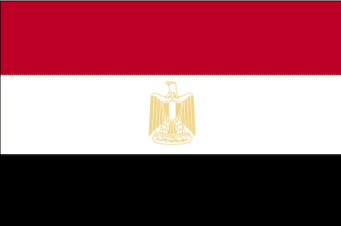
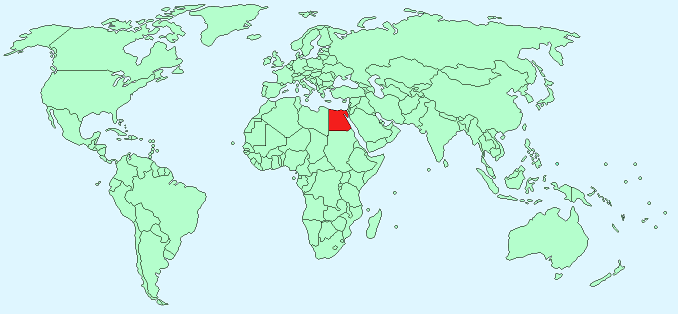
Continent – Africa
Region – North Africa
Size – 1,001,450 km²
Geography – mostly desert, fertile area around Nile
Language – Arabic, English, French
Religion – 90% Muslim, 9% Coptic, 1% other
Monetary Unit – Egyptian Pound
Natural Resources – petroleum, natural gas, iron ore, phosphates, manganese, limestone, gypsum, talc, asbestos, lead, zinc
Agriculture – cotton, rice, corn, wheat, beans, fruits, vegetables; cattle, water buffalo, sheep, goats
Industry – textiles, food processing, tourism, chemicals, pharmaceuticals, hydrocarbons, construction, cement, metals, light manufactures
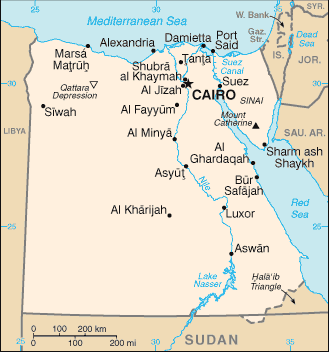
Neighbouring Countries – Gaza Strip, Israel, Sudan, Libya
Population – 86,895,099 (2014 estimate)
Population Growth Rate – 1.84%
Average Life Expectancy – 73.45
Capital City – Cairo (10,230,350)
Highest Mountain – Mount Catherine (2,629 m)
Longest River – Nile (6,695 km total length)
Climate – coastal region – Mediterranean hot sunny summers 18°C to 31°C and warm winters 7°C to 13°C, other regions – warm days and cool nights in winter – 10°C to 23°C, hot days and warm nights in summer 23°C to 41°C
Yearly Rainfall – coastal region 20 cm (approx) mostly November to March, other regions – negligible rainfall
Plant Life – papyrus, date palm, citrus trees, eucalyptus, cypress
Animal Life – camels, sheep, goats, donkeys, hyena, jackal, lynx, mongoose, wild boar, snakes
Bird Life – 300 bird species
Fish Aquatic Life – crocodiles, mullet, sardines, eels
Harvard Reference for this page:
Heather Y Wheeler. (2015). Egypt. Available: https://www.naturalhistoryonthenet.com/Facts_Figures/Country_Facts/egypt.htm. Last accessed Monday, July 18, 2016
Facts and Figures Pages